
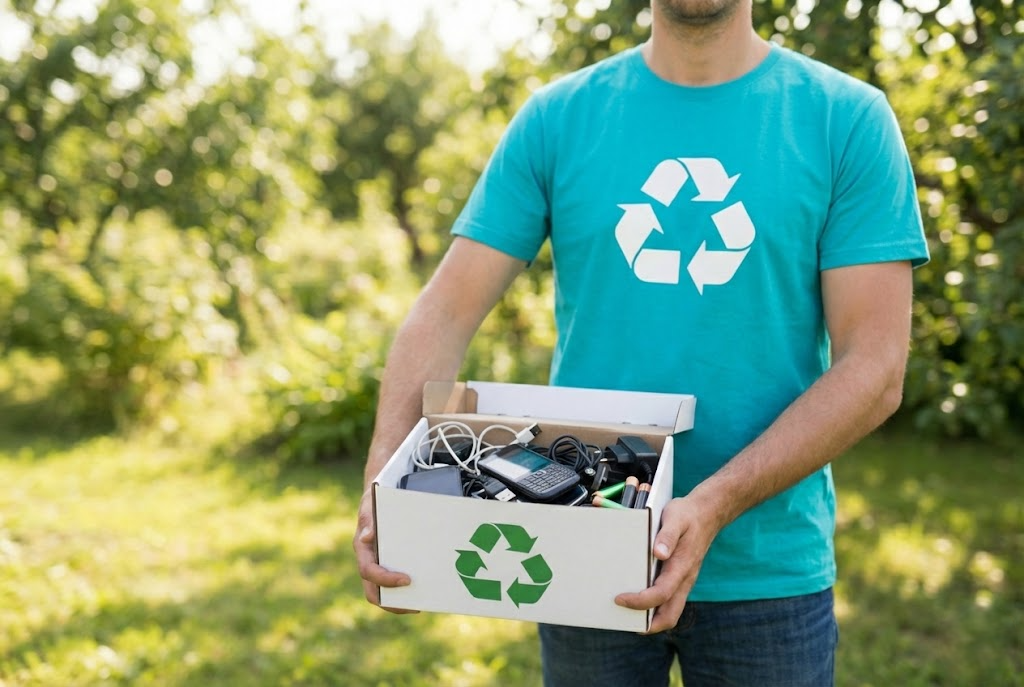
Electronic waste is one of the fastest-growing waste streams in the world today. Old smartphones and laptops, printers, servers, batteries, household appliances all of it adds up, and much of it still holds materials worth recovering, alongside substances that need careful handling. Managing e-waste in Dubai properly is how businesses and households cut down on landfill waste, recover resources, and move toward a more sustainable future.
What Counts as E-Waste?
E-waste, sometimes called WEEE (waste electrical and electronic equipment), covers any discarded product that runs on electricity, batteries, or electronic components. These devices contain metals, plastics, glass, and other recoverable materials, but some also contain hazardous substances which is exactly why collection, sorting, treatment, and recycling need to be done right.
For anyone managing electronic recycling in Dubai, whether at home or across a business, responsible recycling plays a real part in reducing environmental impact and supporting the UAE's circular economy goals.
A) Computers and Laptops
Desktops, laptops, monitors, keyboards, mice this category makes up a large share of everyday e-waste, and it's rich in recoverable material: steel, aluminium, copper, plastics, circuit boards.
Reusable equipment should be assessed for refurbishment first. Anything that's genuinely reached the end of its life goes to a proper recycling facility for dismantling, where materials can be separated and processed. For businesses, any data-bearing device needs secure wiping or physical destruction before it leaves the building this protects company, employee, and customer information.
B) Mobile Phones and Tablets
Phones, tablets, and smartwatches get replaced often, and that turnover creates a steady stream of waste even though these small devices carry valuable metals worth recovering.
Before handing one over, back up your data, sign out of accounts, and properly erase personal information. From there, a qualified recycler can break the device down into separate material streams. Where a device still works, repair or refurbishment should come before recycling, not after.
C) Televisions, Monitors, and Displays
TVs and monitors combine glass, plastics, circuit boards, and wiring, and different display technologies call for different treatment methods.
These shouldn't go in general waste bins. Collect them separately and send them to facilities equipped to dismantle electronics safely these matters because display equipment can contain complex material mixtures, some of which pose environmental or health risks if handled carelessly.
D) Printers, Scanners, and Office Electronics
Offices generate plenty of e-waste just from replacing printers, scanners, photocopiers, fax machines, and networking gear.
Check for refurbishment potential first. What can't be reused gets dismantled so metals, plastics, cables, and circuit boards can be separated toner cartridges and similar components often need their own handling process. Businesses replacing equipment in bulk benefit from organised collection and asset tracking to keep the process efficient.
E) Servers, Hard Drives, and IT Equipment
Data centres and businesses regularly cycle through servers, storage devices, and networking hardware. These assets hold valuable materials, but they also hold sensitive data and that has to come first.
Certified data wiping or physical destruction of storage media should happen before anything else. Only once data security is handled should the equipment move on to dismantling and material recovery. This is why professional IT asset disposition and secure recycling matter so much for organisations dealing with confidential information.
F) Household Appliances
Small and large appliances make up a significant chunk of e-waste too refrigerators, freezers, washing machines, microwaves, air conditioners, vacuum cleaners, toasters, kettles, fans, and more.
Large appliances need to go through proper waste or recycling channels rather than being abandoned or dumped with regular household trash. Some require specialised handling before dismantling; after that, metals, plastics, and glass can be recovered.
G) Batteries and Battery-Containing Devices
Batteries show up everywhere phones, laptops, power tools, remotes and different chemistries need different handling.
Where it's safe to do so, batteries should be removed from devices and sent through dedicated battery recycling channels. Never mix them into general waste; proper collection recovers useful materials and cuts environmental risk.
H) Cables, Chargers, and Small Accessories
Cables, chargers, adapters, headphones, and routers get overlooked constantly, but they still contain recoverable metals, plastics, and electronics.
Keep them separate and add them to an e-waste collection program instead of tossing them out their materials can be sorted and processed rather than wasted.
Why Proper Recycling Matters
Responsible e-waste management in Dubai:
• Cuts down landfill waste
• Recovers valuable materials
• Manages hazardous components safely
• Encourages reuse and refurbishment
• Supports a circular economy
• Helps businesses meet sustainability goals
Dubai's waste management framework is built around reduction, recycling, treatment, and diverting waste from landfill, with technical guidance covering collection, transportation, treatment, battery recycling, and WEEE processing.
Recycle Responsibly with Earthify Recyclers
Replacing a single laptop or overhauling an entire office fleet calls for the same care. Earthify Recyclers helps businesses and individuals manage unwanted electronics responsibly computers, mobile devices, office equipment, servers, hard drives, cables, and more recovering valuable resources while cutting unnecessary environmental impact.
In Short
Knowing the common categories of e-waste is the first step toward handling it well. Computers, phones, appliances, batteries, IT equipment, and small accessories all of it should be sorted and sent through proper recycling or treatment channels instead of ending up in general waste. As awareness around e-waste in Dubai keeps growing, households and businesses can make a real difference by prioritising reuse, secure data handling, and responsible recycling with Earthify Recyclers as a practical partner in that shift.